By Meaghan P. Ruddy
When we speak of addiction, there is a lot we can say. We can talk about stigmatization, how stigma is a mark, a signifier of something often associated with shame and disgrace, which in turn are responses to things deemed problematic by dominant cultural narratives. We could focus on historical usages of stigmatizing practices, how we come to know disgrace and feel shame by observing how others, particularly those who are in helper roles, respond to our marks, and how all of this negatively impacts healthcare. And we could, as we often do, speak about it from the safe, professional distance of the theoretical.
But there is a simpler truth here.
It is the truth expressed by the civil rights movement, the equity in marriage movement, and women’s suffrage. It is the truth that fuels both political correctness and the fight against it. It is the truth that language matters.
Think about it. If it didn’t matter, we would never take offense, never laugh at a joke, never tear up at a well-delivered line in a film or speech. No one would bristle at terms with historically racist or fascist overtones.
Yet, we do.
Healthcare has made some progress but our work is far from over. The person-first language movement has done a lot of good; even the CDC-recommended terms of use for people with disabilities. Even the word healthcare is a relatively new and welcome reframing away from the silos implied by medical care, rehabilitation, nursing care, etc. The harsh terminology that was once part and parcel of “clinical-speak,” handicapped, gomer, diabetic, depressive, has largely been abated or is at least on the way out. There has been wide-spread recognition that these are people first, conditions second.
Except. Except for one challenging, and unfortunately swiftly growing population.
Addict.
Drug-seeker.
Yeah, but c’mon, someone might say. They are seeking drugs. They’re a huge problem! They should know better.Read More »


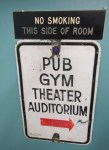 A typical day in anatomy class began with 130 or so medical students, shuffling sleepy eyed into their small seats with swing out mini desk tops. They came bearing newspapers, coffee mugs, 3 course breakfasts, adorned in hair too long and shorts too short. Bell bottoms, blue jeans, and baseball caps ruled the day. I quickly assimilated by wearing my new Levi overalls. On the right side of the room (while facing the podium) was a sign affixed to the wall which declared “No Smoking This Side of Room.” Now I must say that on the opposite side of the room I did not observe a lot of smoking but on more than one occasion I observed a student chewing tobacco and spitting into a large plastic cup during lecture. The class of 122 consisted of 90 men, and 32 women– with a racial and ethnic composition of 1 black person, 3 Latinos, 7 Asian-Americans, and 111 Caucasians. Forty-six of the men had mustaches, with the majority of those also sporting beards. It was the prime of the disco period and it showed.
 Reflective MedEd