By Justin Shaw
05:15
I’ve barely walked inside from my car, eyes still adjusting to the bright hospital lights. Over the music playing through my headphones, I hear the call overhead “Level 1 Trauma Alert. Level 1 Trauma Alert.” A brisk walk down to the trauma bays and I get a report from the trauma nurses. “Incoming Level 1 Trauma: 50-year-old male restrained driver in a motor vehicle collision. Has been down for 30 minutes per EMS.” One of the nearby doctors, while shaking his head, chimes in, “This may be more of a teaching case.”
I don a gown and gloves and stand ready with my trauma shears as we wait for the patient’s arrival. Usual trauma protocols are followed; everything is a problem for this unfortunate patient. Me and my fellow medical student alternate doing chest compressions for ~15 minutes while the trauma attending continues to direct the team of resident physicians, trauma nurses, and various technicians. Sweat is dripping, and the glasses are slipping off my face—the trauma bays are kept warm. Our collective effort continues for some time, and time of death is called at 05:55. I think to myself, “I’m already exhausted and I just got here”.
06:00
Time for hand-off from the residents who were on-call overnight at the hospital. Our team gathers around a workstation to ‘run the list’ and discuss overnight events. My first dose of coffee is finally starting to kick in. Pre-rounding, rounding, notes and orders all ensue in the coming hours.
08:30
One of the residents says to me, “Hey we have a Level 2 coming in. Want to go lay eyes on the patient?” I respond, “Sure thing—I can head down in a minute.”
08:40
I get the report from the trauma nurse near the Level 2 trauma beds. “56-year-old homeless male reports he was “hit by a truck” this morning. Multiple bystanders report he was not hit—the truck appeared to drive by him while he was on the side of the road.”
I review the imaging we have gotten thus far and then head over to the patient’s bed and pull back the curtain. “Hi, Mr. Doe. My name is Justin and I’m a medical student working with the trauma team. How are you doing today?”
The ensuing conversation is still one of the most interesting conversations I have ever had with a patient. This man has been through a lot. Health & social issues include but are not limited to chronic homelessness, decades of illicit drug use & addiction, prior incarceration, and minimal motor function of bilateral lower extremities. He has been using a wheelchair for the past few years and living on the street for over a decade.
At the conclusion of my discussion with Mr. Doe, I asked, “Would it be okay for me to examine you given your history and experience with the truck earlier today?” He reluctantly agrees. With relatively benign imaging findings, my focus is on “anything else” that might stand out from a medical standpoint. There are some obvious abrasions scattered on various areas of his cachectic-appearing body, which are consistent with the story he recounted to me regarding today’s events. While examining him behind the curtain, he asks, “While you’re here can you look at the wounds under the bandages on the back of my legs? Nobody has ever done anything about them.” I reply, “Yes. Of course”. After carefully peeling away the scattered dirt-laden bandages, I find multiple unstageable ulcers on his lower back, buttocks, and thighs. The smell pierces right through my mask. I think to myself, “How long has he had these for?” and help him get dressed.
While the problems that I discovered on history & physical are not necessarily “trauma problems”, they are most certainly medical problems. Given Mr. Doe’s lab results and physical exam findings, in my opinion he would benefit from hospital admission with wound care and possible additional medical treatment.
10:00
I give a brief presentation on Mr. Doe to one of the senior residents and express my concerns. This prompts a discussion with the attending trauma surgeon and the emergency medicine physician who initially evaluated Mr. Doe. What ensues is what can be described as “an exchange of concerns” regarding Mr. Doe’s admission.
Mr. Doe is one of those patients who are often written off or disregarded based on their histories—both medically and socially. There were what I would describe as “radical” statements made about Mr. Doe inside and outside this conversation that I felt fell massively short in terms of empathy and professionalism. I thought to myself, “We all have the same information, so why does it feel like a fight to get this man admitted? The mechanism of injury that led to his presentation aside, he has multiple issues evident on labs and clinical findings that require medical attention.”
It was obvious that Mr. Doe had already been labeled when he rolled through the door… “a drug addict” … “homeless” … “not worth my time and effort”.
Most everyone has experienced hardship in one form or another. Regardless of those experiences, it is still our job to provide the necessary medical care in the appropriate environment. Bias, hatred, and annoyance can be hard emotions to cope with and work through. At the end of the day, all I can do is try my best to do right by my patients and serve as their advocate. This experience with Mr. Doe was a lesson in maintaining compassion and avoiding passing judgement on others. It was also a great reminder of my “why” I first wanted to go into medicine.
As a student, I still have much training yet to go, followed by a career of continued learning. I am worried that I could become like many of the jaded, burned-out clinicians I have met thus far. I find myself asking how I can avoid becoming jaded in stressful clinical environments with repetitive negative themes. I have found that taking more time for reflection has helped keep me remain grounded on particularly long and difficult days. Even pausing for one minute by myself at a desk for a quick “mental de-brief” has been helpful. With this in mind, I strive to continuously reflect and evaluate my own thoughts, feelings, and emotions to better serve my future patients, Mr. Does included.
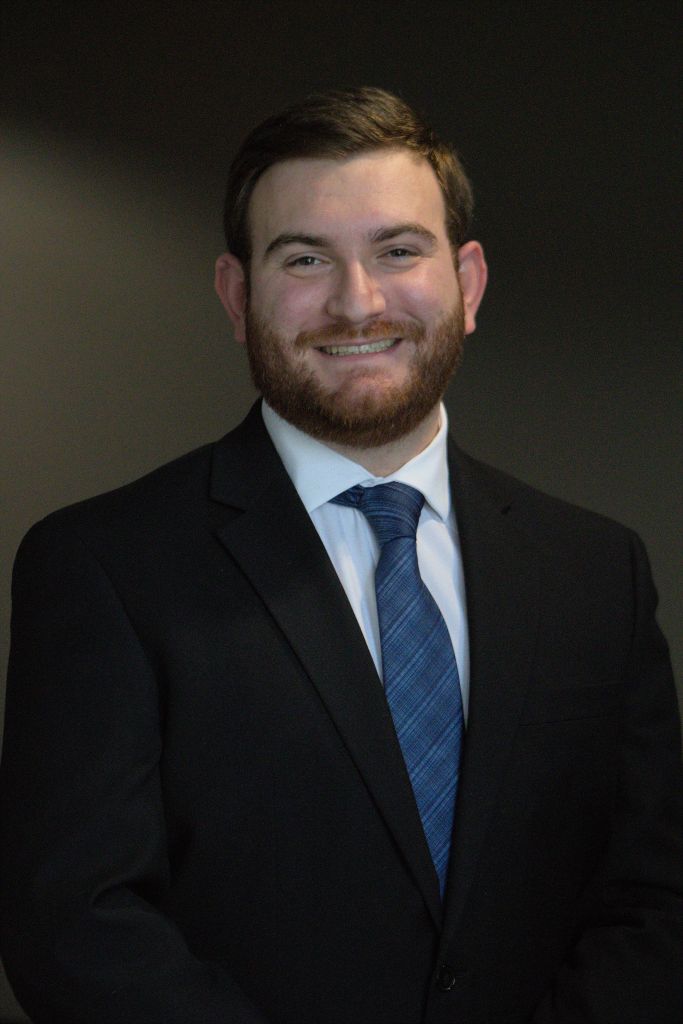
Justin Shaw is a third-year medical student at the Herbert Wertheim College of Medicine, Florida International University. He is interested in pursuing a career in internal medicine. In his free time, he enjoys cooking, photography, kayaking, and playing saxophone.
 Reflective MedEd